

Leadership Retreats in the GCC: When, Why, and How to Plan One
A well-designed leadership retreat is one of the highest-leverage investments a senior team can make in itself. A poorly designed one is one of the most expensive ways to waste senior leaders' time. The difference comes down to design discipline, facilitation quality, and the integrity of the connection between the retreat and the work waiting back at the office.
This guide covers when leadership retreats are worth the investment, how to plan one that produces real outcomes, where to host in the UAE and KSA, and how to avoid the common patterns that turn premium retreats into expensive social events.
The Math on Leadership Retreats A two-day leadership retreat costs the equivalent of roughly 5% of a senior leader's annual time. Whether that investment produces 5%+ of additional capability or less than 1% comes down almost entirely to design. The venue matters less than most organizations think. The design matters more. |
When a Leadership Retreat Is Actually Worth It
Not every leadership team needs a retreat every year. The investment justifies itself when specific conditions exist.
When the team is newly formed or recently restructured
A senior team that has just come together, whether through restructuring, M&A integration, or significant turnover, needs deliberate alignment time. The cost of misaligned senior teams compounds quickly through misaligned decisions across the organization below them. A retreat early in the team's life pays back many times its cost.
When strategic direction needs alignment
Annual strategy moments, transformation launches, and major pivot decisions all benefit from concentrated leadership time away from operational pressure. Quick Tuesday-morning meetings can't produce the depth of alignment these moments require. The retreat format provides the time and protected space.
When relationships need rebuilding
Senior teams that have been through difficult periods (failed initiatives, public setbacks, internal conflicts) benefit from retreat-format relationship rebuilding. The work that needs to happen requires sustained time and a setting separate from the context where the difficulties occurred.
When transformation requires new capability
Significant transformation programs require senior leaders to operate differently than they have before. A retreat focused on building the specific leadership capability the transformation requires (leading through ambiguity, managing change resistance, communicating vision under pressure) can accelerate the readiness of the team substantially.
When succession or future leadership is at stake
Identifying and preparing future senior leaders requires deliberate development. Retreats that include succession candidates alongside the current senior team accelerate succession readiness and build relationships that ease eventual transitions.
When a Retreat Is the Wrong Tool
- When the issue is performance management, not capability development (handle that directly)
- When the team is in active conflict that needs intervention first (use facilitated mediation before a retreat)
- When the goal is just to reward the team (a celebration is a different format than a development retreat)
- When senior leaders are too busy to genuinely disconnect (the retreat fails before it starts)
- When the organization can't afford a high-quality experience (a poor retreat is worse than no retreat)
Core Design Principles for Effective Leadership Retreats
Define the outcome before booking the venue
The most common mistake is choosing a venue and date first, then trying to fill the time with content. Reverse the sequence. Define the specific capability outcome or alignment moment the retreat should produce. Then design backward to find the format, length, and venue that support it.
Protect the time genuinely
Senior leaders checking emails, taking calls, and stepping out for client conversations is the dominant pattern in poorly designed retreats. Strong design includes structural protection: phones in a basket during sessions, technology-free segments, clear pre-retreat communication that signals genuine off-time, and CEO modeling of the protection.
Balance depth and energy
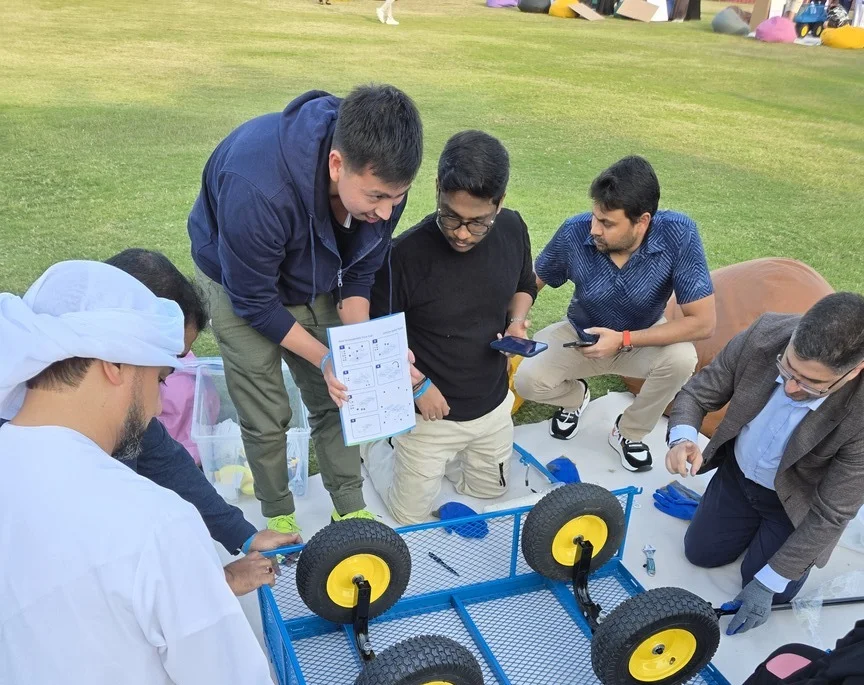
Two-day retreats that consist entirely of intense strategic conversations exhaust participants and reduce the quality of decisions. Two-day retreats that consist entirely of social and outdoor activities feel pleasant but produce no capability change. Strong design alternates intense work with restorative breaks, focused strategic sessions with active outdoor moments, individual reflection with collective discussion.
Build in genuine challenge
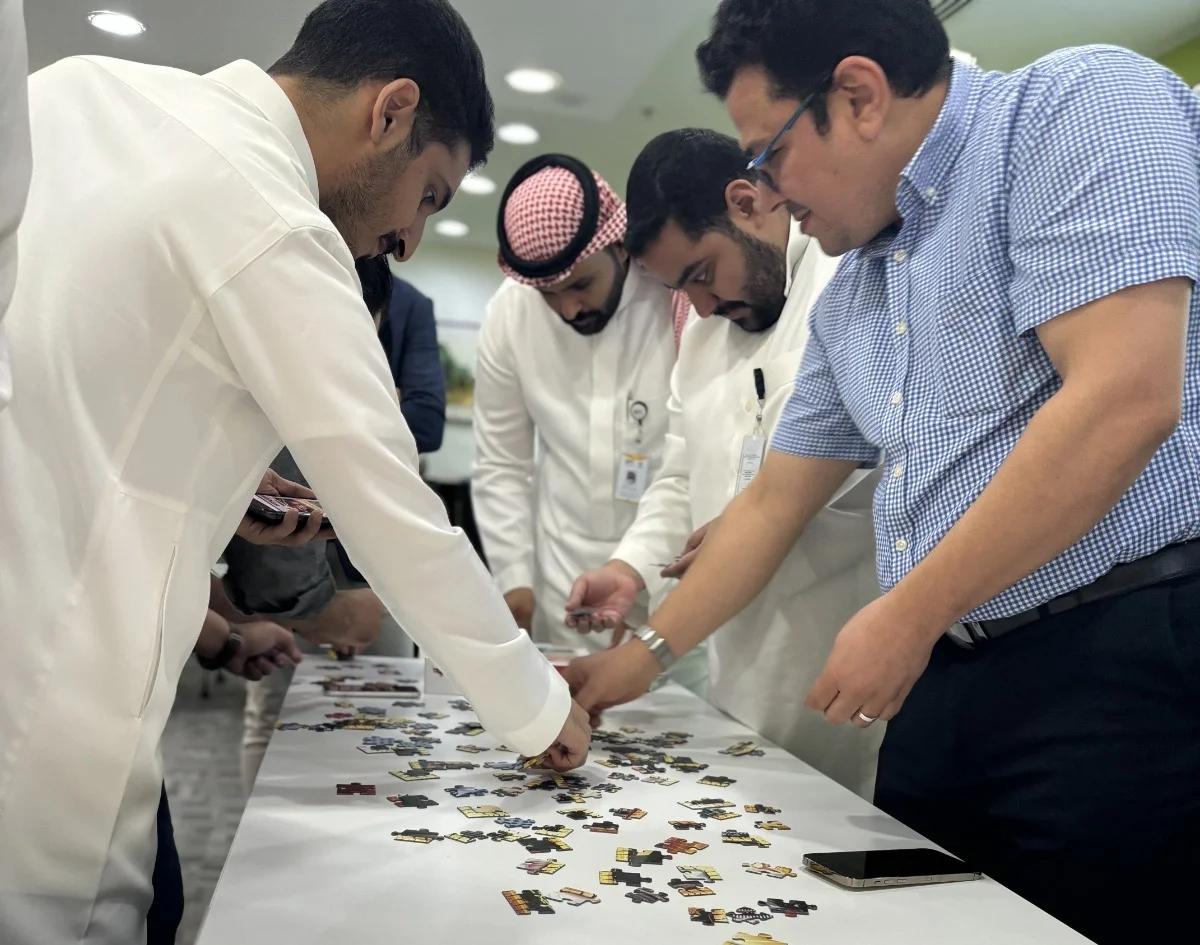
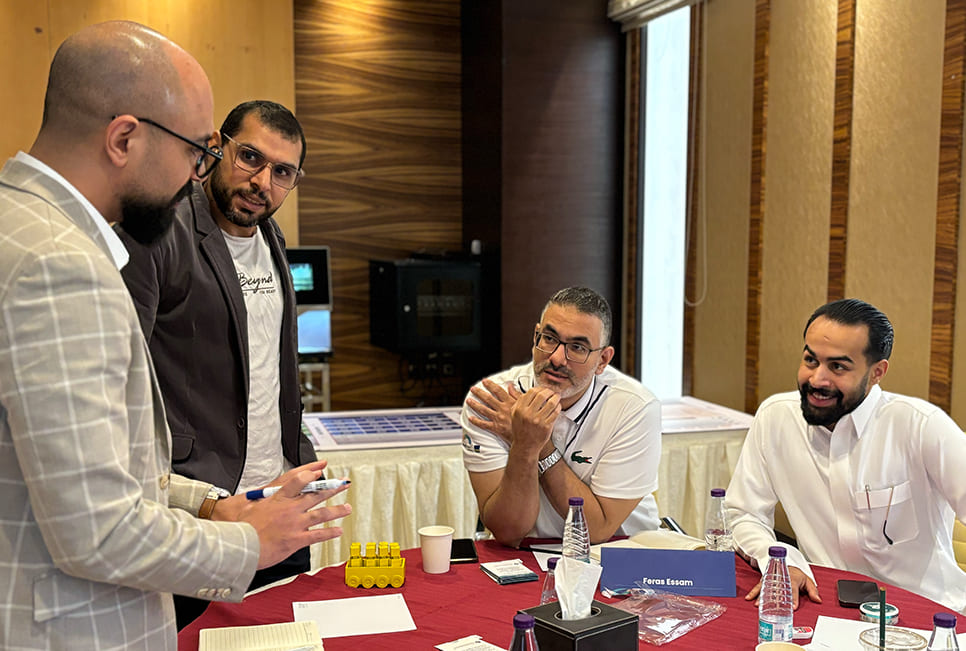
Retreats without challenge become comfortable consensus events. The best retreats include moments where the team must make hard decisions under structured constraints, navigate genuine disagreement on important questions, or work through complex strategic scenarios with no obvious right answer. Challenge is what produces capability change.
Connect explicitly to the work back home
The strongest retreats end with explicit application planning. What decisions did we make that need to be communicated when we return? What commitments did each individual make about their leadership going forward? Who will hold us accountable? Without this step, even excellent retreats fade within weeks.
Typical Leadership Retreat Formats
Format | Duration | Best For |
| Strategy retreat | 2-3 days | Annual strategic alignment, transformation launches |
| Leadership development retreat | 3-4 days | Building specific leadership capability across the team |
| Team building / alignment retreat | 2 days | New team formation, post-restructuring alignment |
| Succession & development retreat | 3-4 days | Including succession candidates, future leadership prep |
| Crisis response retreat | 1-2 days | Rapid alignment around a specific crisis or opportunity |
| International immersion retreat | 5-7 days | Deep development with cultural and global perspective |
Where to Host Leadership Retreats in UAE & KSA
The GCC offers exceptional retreat venues that combine premium hospitality with the discretion senior leadership teams need. Selection depends on the retreat's purpose, the team's preferences, and the kind of experience that will support your desired outcomes.
UAE venues
- Ras Al Khaimah - Mountain and beach resorts with dramatic landscape and reasonable proximity to Dubai. Strong choice for retreats emphasizing strategic reflection and connection to natural environment.
- Hatta - Mountain retreat option closer to Dubai with adventure activity options. Good for retreats that combine strategy work with outdoor challenge.
- Liwa Desert - Premier desert retreat venue with iconic landscape. Strong for retreats emphasizing perspective, depth, and connection to regional heritage.
- Abu Dhabi premium hotels - High-quality urban retreat option with discretion and excellent facilities. Good for retreats that emphasize comfort and accessibility.
- Sir Bani Yas Island - Wildlife reserve with premium hospitality. Distinctive choice for retreats wanting a uniquely memorable setting.
KSA venues
- AlUla - Heritage-rich destination that's become a leading retreat venue in the GCC. Strong for retreats wanting cultural depth alongside premium experience.
- NEOM region - Emerging premium venues with Saudi Arabia's transformation narrative built into the experience. Strong for retreats focused on Vision 2030 alignment.
- Red Sea coast - Premium coastal retreats with sailing and water-based activity options. Good for retreats emphasizing renewal and broader perspective.
- Riyadh / Jeddah premium hotels - Urban retreat options with excellent facilities and easy access. Practical choice when international travel isn't feasible.
International options
- European destinations (Switzerland, Tuscany, French Alps) - Distinguished tradition of executive retreats. Higher cost, longer travel, sometimes worth it for the right purpose.
- Asian options (Bali, Sri Lanka, Maldives) - Premium retreat venues with distinctive experiences. Strong for retreats focused on perspective and renewal.
- African options (Kenya, Tanzania, Morocco) - Adventure-led retreats with strong personal challenge components.
Cost Expectations for Leadership Retreats
Format | Typical Cost Range | Notes |
| 2-day retreat, UAE premium venue, 12-15 leaders | USD 35K - 80K | Full board, facilitation, materials |
| 3-day retreat, UAE/KSA premium, 15-20 leaders | USD 60K - 150K | Extended depth, more facilitation |
| 3-day international retreat, 12-20 leaders | USD 100K - 250K | Includes flights, premium venue, international facilitators |
| 5-7 day immersion retreat | USD 200K - 500K+ | Deep development programs, often with executive coaching component |
These ranges assume quality facilitation, design, and venue selection. Premium retreats often include executive coaches who continue working with participants for months afterward, which adds cost but produces significantly stronger outcomes.
Common Leadership Retreat Mistakes
Treating the retreat as the whole intervention
The retreat is the start of the work, not the end. Strong programs include pre-retreat assessment and preparation, the retreat itself, and structured follow-up over 3 to 6 months afterward. Organizations that invest only in the retreat itself capture less than half the available value.
Picking the venue first
The venue is a delivery vehicle, not a strategy. Choose the venue after defining the retreat's outcome, not before. The right venue supports the design. The wrong venue distracts from it.
Underinvesting in facilitation
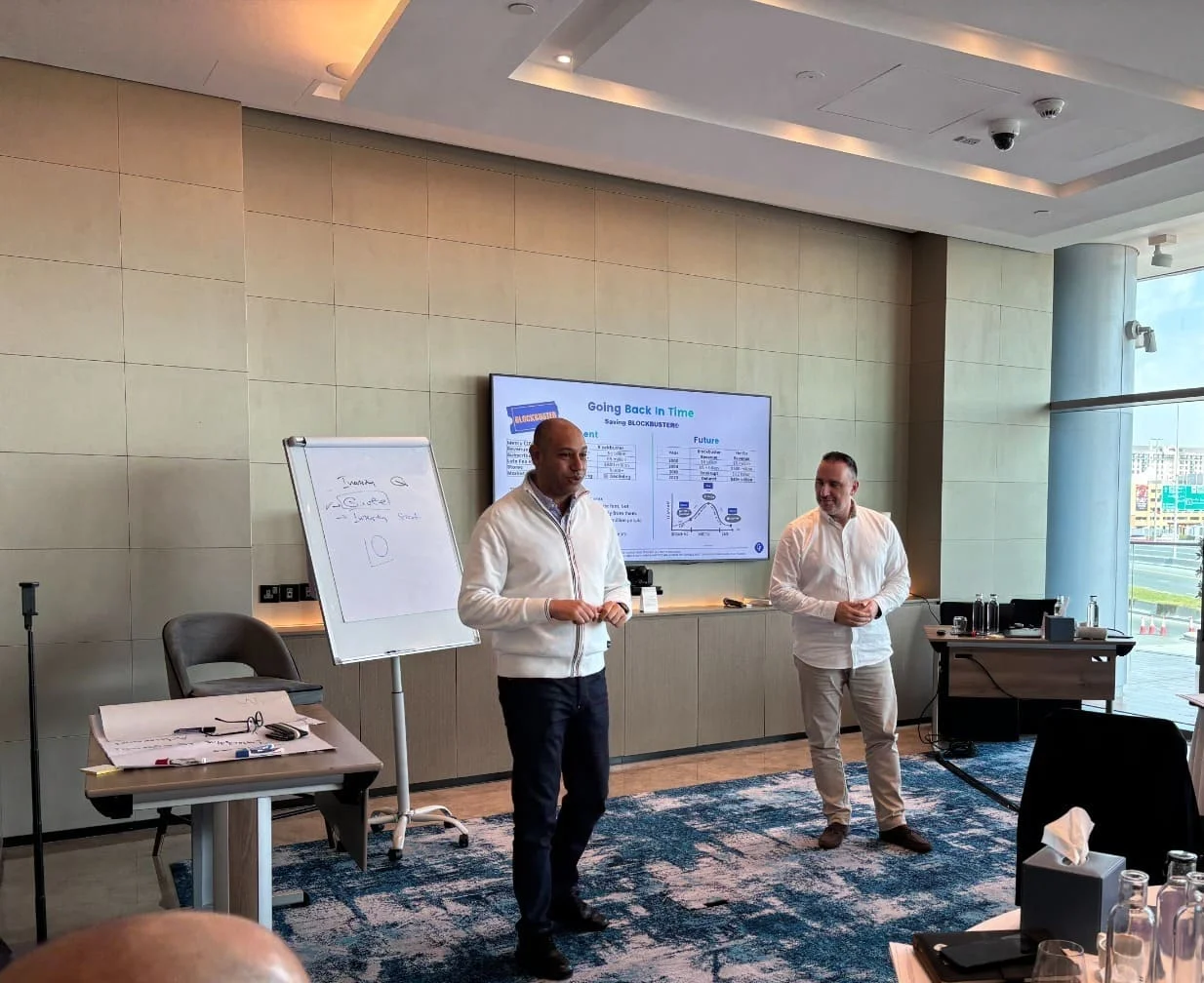
The single biggest determinant of retreat outcomes is facilitator quality. Senior leadership teams need facilitators who can hold the room, navigate genuine disagreement, surface uncomfortable truths, and translate insights into commitments. This expertise costs significant money. Compromising here typically undermines the entire investment.
Including the wrong participants
Retreats work best when the participant list is deliberately chosen. Too few participants and the team alignment is incomplete. Too many and the depth becomes impossible. The wrong mix (e.g., including operational leaders in what should be a strategic alignment retreat) reduces effectiveness for everyone.
Skipping the application planning
Even excellent retreats fade without explicit application planning. The last few hours should be dedicated to decisions made, commitments captured, communication plans set, and accountability structures established. Skipping this step is the most common cause of retreats that produced great moments but little change.
Planning Timeline for a Leadership Retreat
Time Before Retreat | Activity |
| 4-6 months | Define purpose and outcomes; select provider and facilitator; book venue and dates |
| 2-3 months | Design retreat program; conduct pre-retreat interviews with participants; finalize logistics |
| 1 month | Pre-retreat briefings; send participant preparation materials; final agenda confirmation |
| 1-2 weeks | Final coordination; participant logistics; facilitator final preparation |
| During retreat | Deliver program; capture decisions and commitments; structured application planning |
| 30 days after | First follow-up checkpoint; review of commitments; obstacles surfaced |
| 60-90 days after | Second checkpoint; progress review; recalibration if needed |
| 6 months after | Impact review; outcomes against original purpose; planning for next intervention |
Planning a Leadership Retreat? Gamma Zone designs and delivers leadership retreats across the UAE, Saudi Arabia, and international destinations. From 2-day strategic alignment retreats to multi-day leadership development immersions, every retreat is designed around your specific outcomes with structured follow-up to ensure the work continues after the retreat ends. Explore our team building experiences or contact our team. |