

Indoor vs Outdoor Team Building: Which Format Works Better for Your Team?
Indoor or outdoor? It's one of the first decisions HR and L&D leaders face when planning corporate team building in the UAE and Saudi Arabia. Both formats produce strong outcomes when matched well to the team and the goal. Both produce weak outcomes when chosen for the wrong reasons. This guide breaks down what each format does best, where each falls short, and how to choose based on the team capability you actually want to develop.
The Short Answer Neither format is inherently better. The right choice depends on what your team needs to develop, when you're running it, and what constraints you're working with. Most organizations benefit from rotating between formats year to year, rather than defaulting to one. |
What Indoor Team Building Does Best
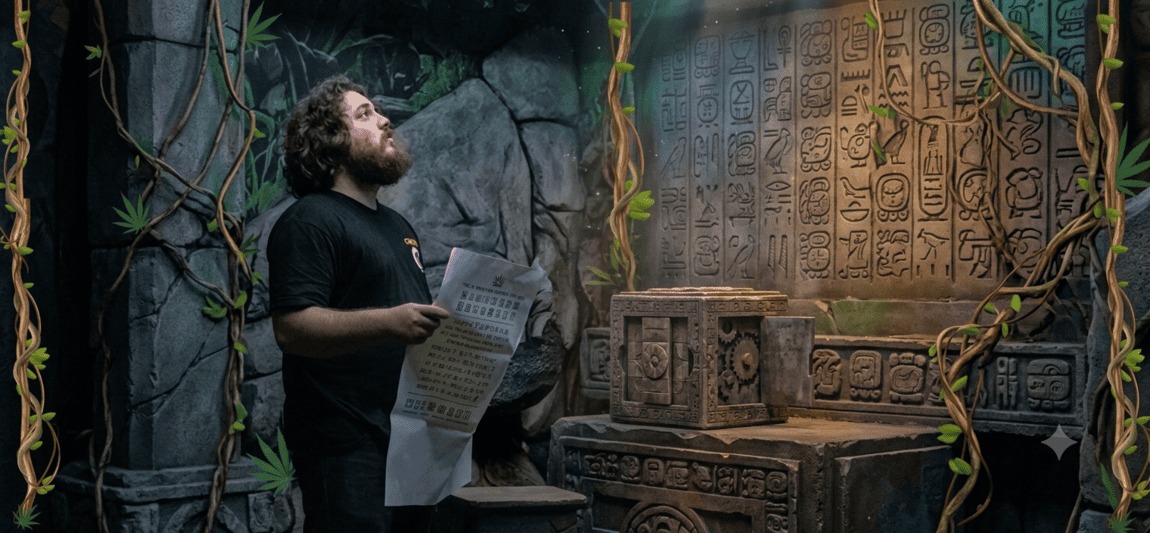
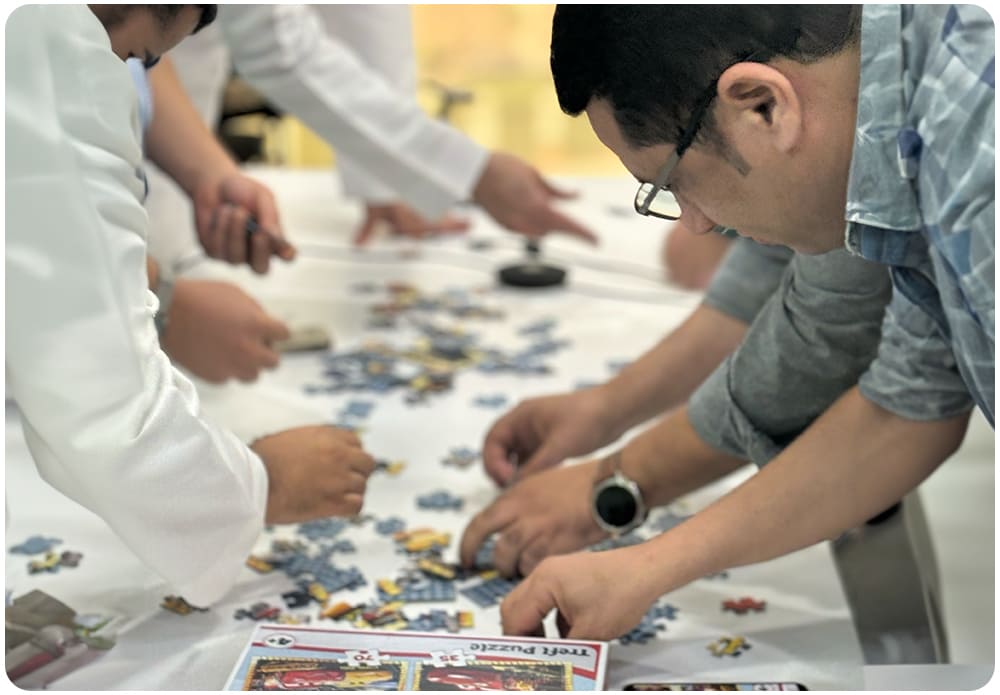
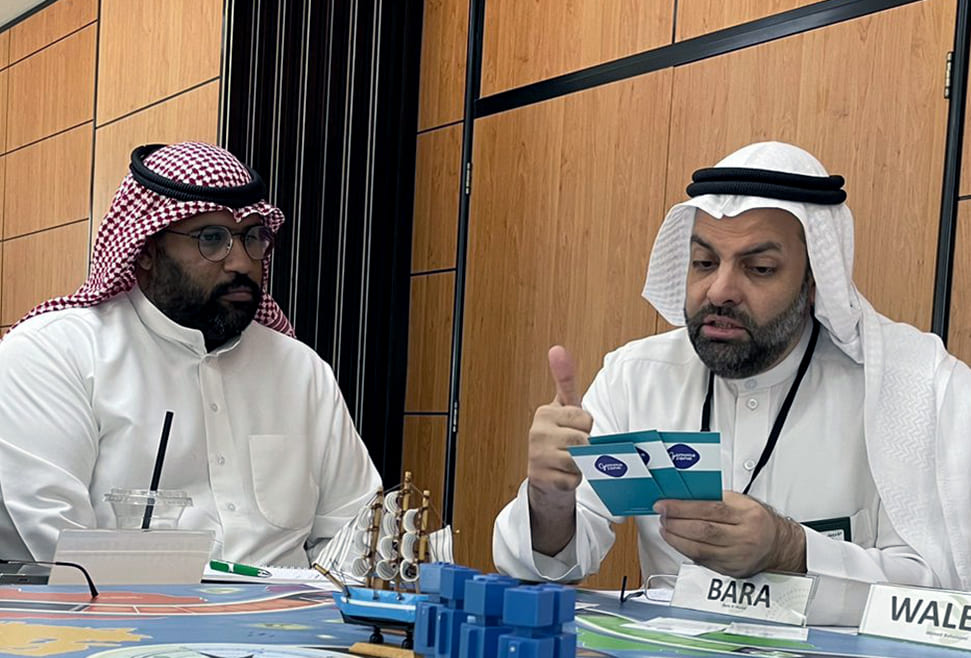
Indoor formats include gamified workshops, escape rooms, business simulations, creative challenges, and structured training-style activities delivered in offices, hotels, or dedicated venues. They dominate the UAE and KSA market for several practical reasons.
Year-round delivery
Indoor activities run reliably throughout the year. Climate is not a factor. Summer months (May through September) when outdoor activities are limited by heat become fully usable for indoor team building. This consistency makes indoor formats the natural default for organizations running quarterly team development rhythms.
Depth of facilitation
Indoor settings allow for sustained, focused facilitation. The environment can be controlled. Distractions are minimized. The facilitator can take the group through structured reflection, deep debrief, and capability-building conversations without interruption. This depth often exceeds what outdoor settings can sustain.
Customization to specific business contexts
Indoor activities can be heavily customized to your industry, your strategic priorities, and your team's actual work context. A simulation can be built around your sector's realities. A gamified workshop can target the specific capabilities your team needs. This customization is harder to achieve in standardized outdoor activities.
Predictable logistics
Venue selection, catering, technology, and accessibility are all easier to manage indoors. No weather contingencies. No transportation challenges. No surprises mid-activity. This predictability matters for large groups and for organizations where leadership time is heavily protected.
What Outdoor Team Building Does Best
Outdoor formats include desert experiences, beach challenges, sailing, hiking, adventure courses, and team retreats at outdoor venues. In the UAE and KSA, outdoor team building has a strong tradition tied to the natural landscape and regional culture.
Breaking established patterns
The single biggest advantage of outdoor formats is that they remove the team from familiar work patterns. People behave differently outside the office context. Conversations flow differently. Hierarchy softens. New perspectives emerge. This pattern-break is particularly valuable for teams that have settled into rigid dynamics.
Memorable shared experiences
Outdoor experiences produce stronger emotional memories than indoor activities. The novelty, the physical engagement, the natural environment all contribute to experiences that participants remember for years. These memories become the reference points teams use when describing how they came together.
Resilience and trust-building
Outdoor challenges that involve physical or environmental difficulty (within safe limits) build resilience and trust in ways indoor activities rarely can. When a team has navigated a challenging hike together, dealt with desert conditions as a group, or worked together on a sailing challenge, the trust that emerges is qualitatively different.
Cultural and regional connection
Outdoor experiences in the UAE and KSA connect teams to the regional landscape and culture. A desert experience in Liwa, a retreat in AlUla, a sailing day off Abu Dhabi, a heritage-themed challenge in Diriyah, all carry meaning beyond the team building activity itself. This is particularly valuable for organizations building strong regional identity.
The Side-by-Side Comparison
Dimension | Indoor Team Building | Outdoor Team Building |
| Year-round availability | Reliable, 12 months | Limited to Oct-Apr in GCC |
| Customization depth | High - can be tailored to business context | Moderate - constrained by outdoor format |
| Facilitation depth | Strong - controlled environment | Variable - environment can disrupt depth |
| Memorability | Moderate | High - strong emotional memories |
| Pattern-breaking | Moderate | Strong - removes from work context |
| Accessibility | High - inclusive of physical abilities | Variable - depends on activity type |
| Logistical complexity | Low to moderate | Moderate to high |
| Weather risk | None | Significant |
| Typical cost range | USD 4K-25K (half/full day) | USD 8K-40K+ (transport, venue) |
| Best for new teams | Good | Excellent for trust-building |
| Best for senior teams | Strong - depth-led formats | Strong - retreats at premium venues |
| Best for cross-functional alignment | Strong - simulation-driven | Moderate |
When Indoor Is the Right Choice
- You're running quarterly or monthly micro-interventions throughout the year
- You need to deliver between May and September given UAE/KSA climate
- Your goal is targeted capability development tied to specific business contexts
- Your team is large (100+) and outdoor logistics become complex
- Your priority is depth of facilitation and structured debrief
- You have participants with mobility or accessibility considerations
- You want predictable logistics and budget
When Outdoor Is the Right Choice
- You're running an annual or semi-annual flagship event
- You're delivering between October and April
- Your goal is breaking established patterns or refreshing team dynamics
- Your team needs trust-building through shared challenges
- You're investing in a leadership retreat with development depth
- You want to connect the team to regional culture or landscape
- Memorability and emotional impact matter as much as capability
Hybrid Approaches: The Best of Both
Many of the strongest team building programs combine indoor and outdoor elements. A multi-day retreat might include outdoor experiences in the morning, indoor structured workshops in the afternoon, and social outdoor activities in the evening. This hybrid approach captures the pattern-breaking energy of outdoor formats with the facilitation depth of indoor formats.
Common hybrid patterns include: a one-day outdoor experience followed by a half-day indoor debrief and application workshop the next week; a two-day leadership retreat with mornings outdoor (challenges, hikes, adventure activities) and afternoons indoor (workshops, simulations, structured reflection); and an annual outdoor flagship event supplemented by quarterly indoor micro-interventions throughout the year.
Seasonal Planning for UAE & KSA Organizations
Climate is a real constraint in the GCC. Realistic seasonal planning improves outcomes.
Period | Indoor | Outdoor |
| October - April | Available, but consider outdoor for flagship events | Peak season - excellent conditions |
| May - September | Default choice for most activities | Limited - dawn or evening only, indoor-adjacent venues |
| Ramadan period | Adjusted timing (post-iftar evening sessions work well) | Limited - cultural considerations matter |
Common Mistakes in the Indoor vs Outdoor Decision
Defaulting to outdoor because it's traditional
Outdoor team building has a strong tradition in the GCC, particularly desert experiences and adventure activities. Tradition is not a reason to default to outdoor when indoor would better fit your team's current capability needs. Re-evaluate each program based on outcomes, not heritage.
Defaulting to indoor for convenience
Indoor is logistically easier. That doesn't make it the right choice for every situation. If your team needs a strong pattern-break, an emotional connection, or memorable trust-building, the inconvenience of outdoor logistics is worth it. Don't let logistical preference override capability need.
Picking outdoor in summer
UAE and KSA summer temperatures make most outdoor activities impractical, unsafe, or seriously diminished. If you're planning a May to September program, indoor is almost always the better choice. Pushing outdoor into summer typically produces compromised experiences.
Ignoring accessibility
Outdoor activities often involve physical demands that exclude team members with mobility limitations, certain health conditions, or pregnancy. Indoor activities can be designed for full inclusion. Check participant accessibility considerations before committing to outdoor formats.
Making the Decision With Confidence
The indoor vs outdoor question becomes much easier once you've defined the team capability outcome you want and assessed your team's current state. Match the format to the outcome, factor in seasonal and logistical realities, consider accessibility, and choose deliberately. The format that's right for your team this quarter may not be right next quarter. That's fine. Quality team building adapts to where the team actually is.
Need Help Deciding? Gamma Zone delivers both indoor and outdoor team building experiences across the UAE and Saudi Arabia, including hybrid programs that combine the strengths of both formats. From gamified indoor workshops to outdoor desert experiences and full leadership retreats, every program is matched to your team's specific development goals. Explore our team building experiences or contact our team. |